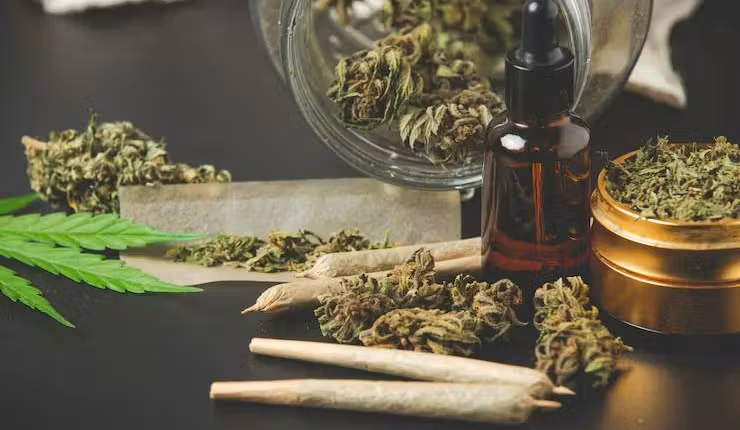
Cannabis packaging contains much more than THC percentages. This guide explains how to read cannabis labels properly, including information on cannabinoids, terpene profiles, serving sizes, freshness dates, and lab testing. Customers visiting Green Mart in Santa Ana can use these insights to shop more confidently and choose products that better match their preferences.
Key Takeaways
- THC percentage alone does not determine how a cannabis product will feel.
- Terpenes, cannabinoid ratios, and serving sizes all influence the overall experience.
- Reading lab results and package dates helps customers choose fresher and safer cannabis products.
Walking into a cannabis shop today feels very different compared to a few years ago. Products now come with percentages, terpene charts, cannabinoid ratios, lab stickers, QR codes, package dates, dosage numbers, and strain classifications all printed directly on the label.
For newer consumers, that can get confusing fast.
Even experienced customers sometimes buy products based only on THC percentage without really understanding what the rest of the packaging is trying to tell them. Then the experience feels completely different from what they expected.
That is one reason more customers visiting a dispensary in Santa Ana are asking better questions before buying products. People want consistency now. They want to know why one vape feels uplifting while another feels heavy. Why does one edible take longer to kick in? Why do some flowers feel smoother even at lower THC percentages?
A lot of those answers are sitting directly on the label.
Once you understand how to read cannabis labels properly, shopping becomes much easier.
1. THC vs. CBD: What the Numbers Actually Mean
Most people look at THC first. That part is understandable.
THC is the primary psychoactive cannabinoid responsible for the “high” feeling most consumers associate with cannabis. CBD works differently. It is non-intoxicating and is often used in products focused more on balance, relaxation, or recovery support.
Still, many customers misunderstand cannabinoid percentages completely.
Higher THC does not automatically mean a better experience. Sometimes a balanced ratio produces a smoother, more enjoyable overall effect. Especially for newer consumers.
For example:
- High THC: Stronger psychoactive effects
- 1:1 THC/CBD: More balanced experience
- High CBD: Minimal intoxication
This becomes important with products like gummies, tinctures, capsules, and drinks, where cannabinoid ratios can significantly affect the experience.
At Green Mart, customers regularly ask why two products with similar THC percentages feel completely different. Usually, the answer involves cannabinoid balance, terpene profiles, dosage, or consumption method instead of THC percentage alone.
That part gets overlooked constantly.
2. Harvest Dates and Package Dates Matter More Than People Think
Freshness matters with cannabis products. Probably more than many customers realize.
Over time, cannabinoids and terpenes slowly degrade. A flower loses its aroma. Vape oil can lose its flavor quality. Concentrates may dry out or change consistency.
This is why harvest dates and packaging dates matter.
A product packaged recently will usually preserve its flavor, aroma, and potency better than one that has been sitting for long periods. Premium brands tend to pay close attention to storage and packaging for exactly this reason.
Customers should look for:
- Harvest date
- Packaging date
- Expiration window
- Batch number
Some products still remain effective past those dates, but freshness absolutely influences overall quality.
This becomes especially noticeable with flower and live resin products where terpene preservation matters a lot.
3. Terpenes Explain More Than THC Percentages Do
This is where cannabis labels start getting interesting.
Terpenes are aromatic compounds naturally found in cannabis. They influence scent, flavor, and often the overall feel of the experience itself.
A lot of customers chasing only THC percentages completely ignore terpene profiles. Then they wonder why products affect them differently.
Here are a few common terpenes found on premium labels:
- Myrcene: Relaxing, earthy
- Limonene: Citrus, uplifting
- Caryophyllene: Peppery, calming
- Pinene: Fresh, alert feeling
For example, two vape cartridges may both test at 80% THC. One may feel energetic while the other feels heavier and more relaxed. Terpenes usually explain that difference.
At Green Mart, premium brands like Raw Garden, Papa & Barkley, CLSICS, and West Coast Cure often provide more detailed terpene information directly on packaging or through lab results.
Customers who pay attention to terpene profiles usually become much more consistent in their product selection over time.
4. Testing Results and QR Codes Matter
Legal cannabis products in California go through laboratory testing before reaching dispensary shelves.
That testing checks for:
- Potency
- Pesticides
- Residual solvents
- Heavy metals
- Contaminants
Most licensed products now include QR codes that link directly to Certificates of Analysis (COAs).
A lot of customers skip this completely. Honestly, they should not.
Lab testing provides transparency around what is actually inside the product. Especially with concentrates, vape products, and edibles, that extra layer of testing matters.
Products without verified testing should raise questions immediately.
5. Serving Size vs. Total THC Confuses People Constantly
This is probably one of the most common mistakes customers make with edibles.
A package may say “100mg THC” on the front. Many people assume the entire product should be consumed at once.
Usually, that is not the case.
For example:
- A gummy package may contain 10 pieces
- Total THC may equal 100 mg
- Each gummy may only contain 10 mg
That difference matters quite a bit.
The same issue happens with tinctures, capsules, drinks, and concentrates. Customers should always check:
- Serving size
- Total cannabinoids
- Dose per serving
Skipping that math leads to some very uncomfortable experiences.
There is really no nicer way to put it.
6. What “Indica,” “Sativa,” and “Hybrid” Actually Mean
A lot of people still shop entirely by strain classification.
Indica for relaxation. Sativa for energy. Hybrid somewhere in the middle.
Those categories still help somewhat, but modern cannabis genetics have become much more blended than people realize. Many products today combine multiple strain lineages together.
This is why terpene profiles and cannabinoid content often tell a more accurate story than the simple Indica/Sativa label alone.
Still, those classifications remain useful starting points for customers trying to narrow down product preferences.
7. Storage Instructions Actually Matter
Good cannabis storage preserves potency and flavor longer.
Poor storage does the opposite very quickly.
Customers should generally:
- Keep products away from heat
- Avoid direct sunlight
- Reseal the flower properly
- Store gummies and edibles in cool environments
- Keep concentrates sealed tightly
Even premium products lose quality if storage is ignored after purchase.
Conclusion
Understanding cannabis labels helps customers make more informed decisions instead of relying only on THC percentages or marketing names. Once you understand cannabinoid ratios, terpene profiles, serving sizes, lab testing, and freshness dates, it becomes much easier to find products that match the experience you are actually looking for.
At Green Mart, we believe cannabis shopping should feel approachable instead of confusing. Whether you are exploring flowers, vapes, edibles, concentrates, tinctures, or topicals, our team is here to help customers better understand what they are buying and why certain products may fit their preferences better than others.
If you ever have questions about cannabis labels, product strength, terpene profiles, or dosage, visit our Santa Ana dispensary and ask one of our budtenders for a walkthrough.