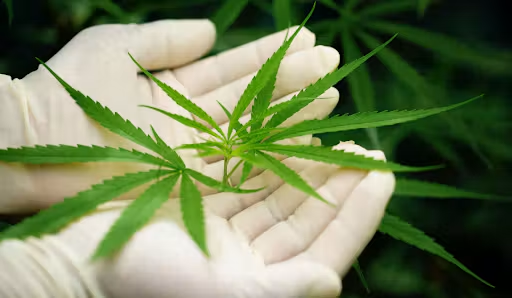
The cheapest cannabis available in Santa Ana usually carries hidden costs that more than offset whatever savings appear on the price tag. Quality dispensaries pay for specific things that genuinely affect what you experience as a consumer, from laboratory testing to ethical sourcing through consistency standards. Five quality dimensions tend to separate premium cannabis retail from the budget alternatives competing on price alone.
Key Takeaways:
- Licensed dispensaries usually screen products for pesticide residues, heavy metals, and microbial contaminants that gray-market cannabis often skips testing for entirely.
- Proper storage and curing help preserve the terpenes responsible for flavor, aroma, and much of the cannabis experience.
- Premium brands typically deliver consistent effects from batch to batch through quality control standards, but budget operations may skip this step to reduce costs.
Hidden costs usually add up fast when you choose the cheapest cannabis available in Santa Ana. Skipping the testing that detects pesticide residues is routine across illicit market products. Potency claims at gray-market operations rarely match what an actual laboratory would find inside the package.
Quality cannabis at your Santa Ana dispensary typically means paying for several specific things that genuinely matter for what you bring home. Laboratory testing usually verifies safety at the molecular level before products reach shelves. Ethical sourcing often connects your purchase to cultivators who care about the plant and the people growing it.
What follows explains why quality matters across five dimensions that affect your real experience as a Santa Ana cannabis consumer. Pesticide and heavy metal safety. Terpene preservation through proper handling. Ethical sourcing relationships with cultivators. Consistency across brand purchases over time. Potency accuracy that matches label claims to actual product content.
Pesticides and Heavy Metals
Cannabis cultivation usually requires careful pest management over long grow cycles, which often creates a real risk of pesticide residues appearing in finished flower when growers skip proper protocols. California regulations typically require third-party laboratory testing to verify that every legal batch is free of residues.
What proper testing usually catches before products reach shelves:
- Pesticide residues from dozens of compounds used in cultivation
- Heavy metals, including lead, cadmium, arsenic, and mercury
- Microbial contamination from cultivation environment conditions
- Residual solvents from extraction processes for concentrates
- Mycotoxins are produced by mold during improper storage
Heavy metals often present another risk that proper testing catches at licensed dispensaries. Cannabis usually absorbs metals from soil and water during cultivation. Lead, cadmium, arsenic, and mercury tend to accumulate when plants grow in contaminated environments or with substandard nutrient inputs.
Preserving Terpenes
Aromatic compounds called terpenes typically drive cannabis flavor, aroma, and substantial portions of the experience effects often credited only to cannabinoids. Quality flower usually contains rich terpene profiles that experienced consumers recognize immediately as markers of good cannabis.
Factors that often affect terpene preservation in finished products:
- Proper curing protocols allow the flower to develop fully before packaging
- Climate-controlled supply chains protect products during transit
- Humidity and temperature management at dispensary storage
- Light-protective packaging maintaining quality across shelf time
- Quick inventory turnover prevents extended storage periods
Mishandled flowers usually lose these terpenes quickly due to improper storage, excessive heat, light exposure, and time spent sitting on shelves without protective packaging. THC content might still match the label, but the experience often flattens into something one-dimensional once the terpenes have degraded.
Ethical Sourcing
Cannabis cultivation usually operates like agriculture, with all the ethical considerations that affect any other farming sector. Some cultivators tend to prioritize yield maximization above all else, without regard for environmental impact, labor practices, or product quality beyond bare-minimum legal compliance.
What ethical sourcing typically looks like in practice:
- Sustainable cultivation reduces water use and chemical inputs
- Living wage labor practices for workers growing the cannabis
- Renewable energy use across cultivation facilities when possible
- Transparency about specific farms and cultivation methods used
- Long-term relationships with cultivators rather than purely price-driven sourcing
Sourcing decisions at quality Santa Ana dispensaries often explicitly reflect these ethical considerations. Your dollars at these dispensaries usually flow to cultivators who do the work properly rather than to operations that cut corners across the supply chain.
Consistency Is Key
Premium cannabis brands usually keep delivering the same effect from one batch to the next, one package to the next, one month to the next. Extensive operational investment typically lies behind this consistency, the kind of investment lower-tier brands often skip to keep their costs down.
What consistency tends to deliver for the regular consumer:
- Reorders of favorite strains produce familiar experiences
- Edibles delivering accurate doses, package after package
- Vape cartridges perform the same way throughout the entire cartridge
- Concentrates on maintaining identifiable cultivar characteristics
- Trust building over time toward long-term brand loyalty
Stable cultivation environments usually produce flowers with predictable cannabinoid and terpene profiles batch after batch. Drift outside expected parameters is often caught during quality control testing before any product reaches consumers. Curing and processing protocols typically apply the same way across every harvest.
Potency Accuracy
Label accuracy on cannabis often matters substantially more than most consumers initially appreciate. Illicit market products sometimes test substantially below labeled potency, meaning consumers paid for cannabinoid content that simply was never present.
What proper potency verification usually delivers:
- Actual cannabinoid percentages within tight tolerances of label claims
- Accurate dosing information across flower, edibles, and concentrates
- Confidence in matching product strength to your tolerance level
- Safety protection from accidentally consuming much stronger products
- Reliable information for medical patients managing specific conditions
Other unlicensed products sometimes test substantially above labeled potency, often creating safety concerns when consumers dose based on information that significantly understates actual content. Neither direction of error usually produces good consumer outcomes regardless of whether the discrepancy runs higher or lower than the printed numbers.
Quality Worth the Investment
Premium cannabis typically costs more than cheap cannabis for reasons consumers should appreciate rather than resent at the register. Several operational realities sit behind the price difference.
Laboratory testing usually represents one cost. Proper cultivation practices tend to represent another. Sustainable sourcing often adds further expense. Curing and storage protocols generally require year-over-year investment. Quality control across the entire supply chain usually costs real money to maintain.
For Santa Ana consumers who prioritize quality across their cannabis purchases, Green Mart Dispensary curates a vetted premium selection.
Featured Image Source : https://www.magnific.com/free-photo/green-leaf-marijuana-hand_5218114.htm#fromView=search&page=1&position=4&uuid=27bc42a7-2b3d-44f1-a7b5-0abe56e1d8b4&query=Best+Cannabis